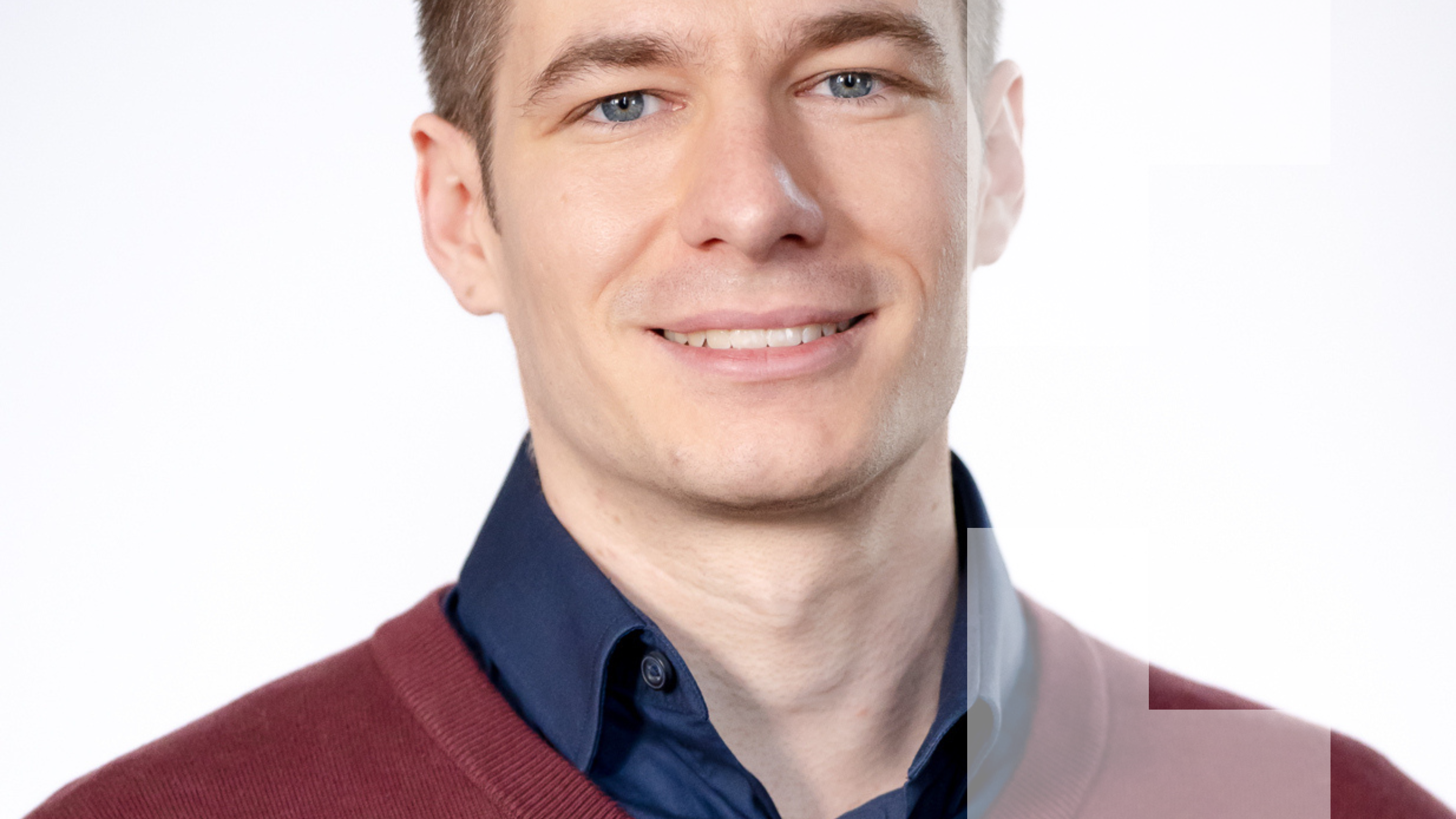
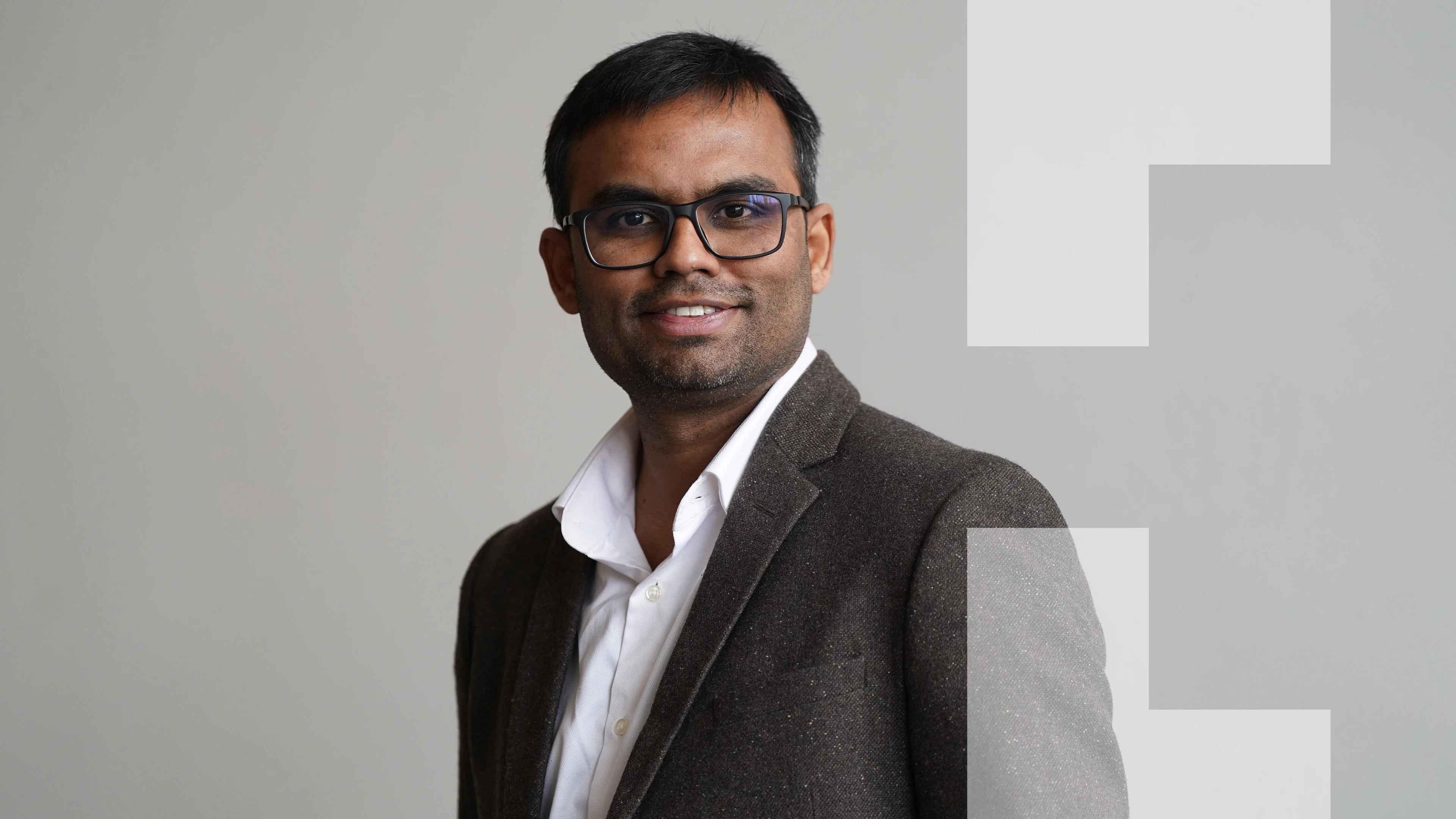
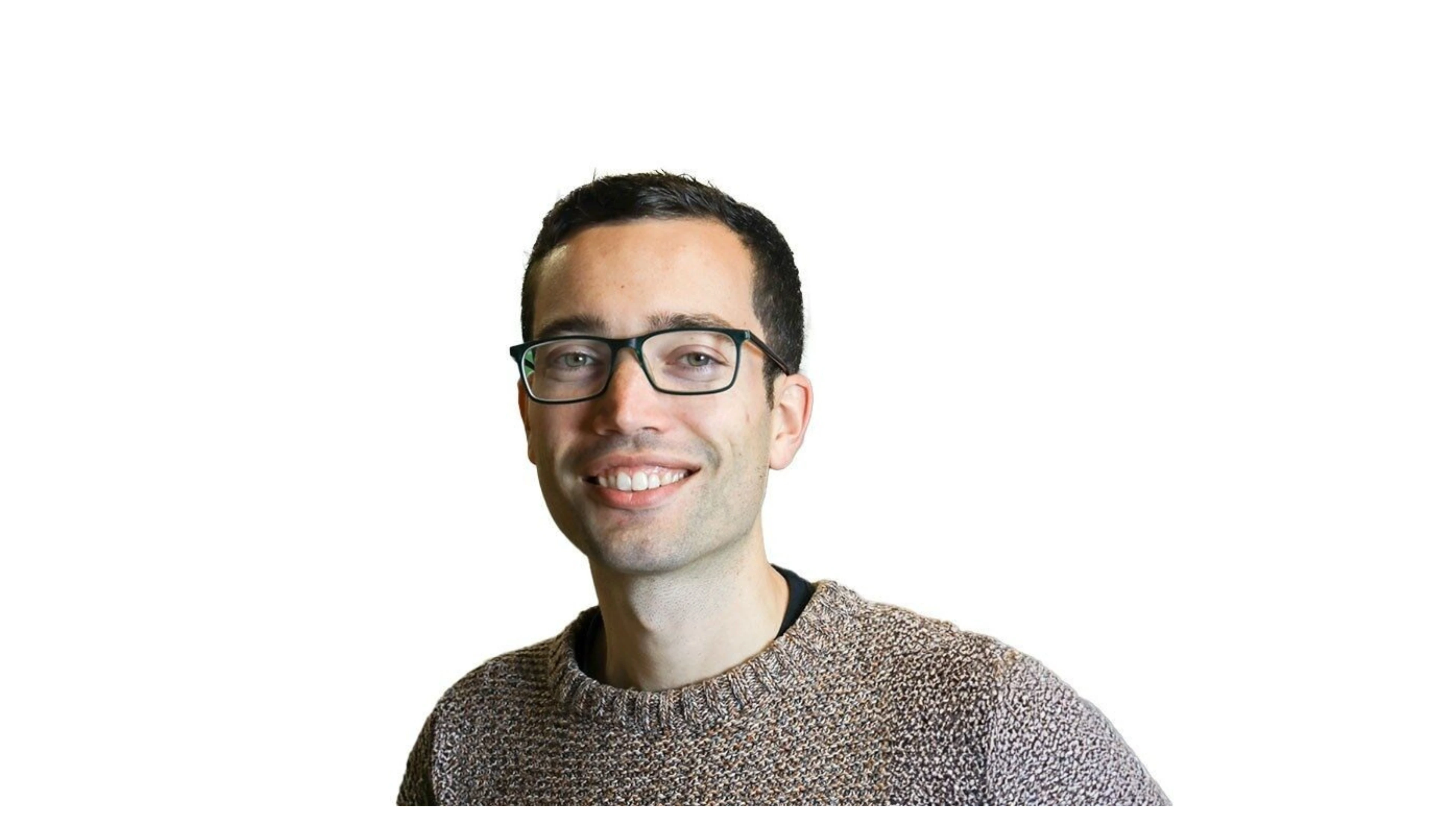
Mantis Geophysics, founded by Georgios Papageorgiou, emerged from the University of Edinburgh, utilizing AI to revolutionize subsurface exploration. Their technology, which models seismic wave behavior, provides cost-effective alternatives to physical surveys in fields like geothermal energy and carbon capture. Despite initial business challenges, joining the AI Accelerator was transformational, offering vital support, exposure, and resources. This collaboration allowed them to refine their business model and expand. Georgios emphasizes Mantis' role in the energy transition, aiming to make their solutions indispensable for safer and more efficient energy practices.

AI Accelerator
9.0
.webp)
The AI Accelerator is where ambitious AI-driven businesses come to grow. Over six months, you’ll get the support, connections and expertise you need to tackle global challenges and create real-world impact. From AgriTech to FinTech, this is about accelerating high-growth ventures into global success stories.
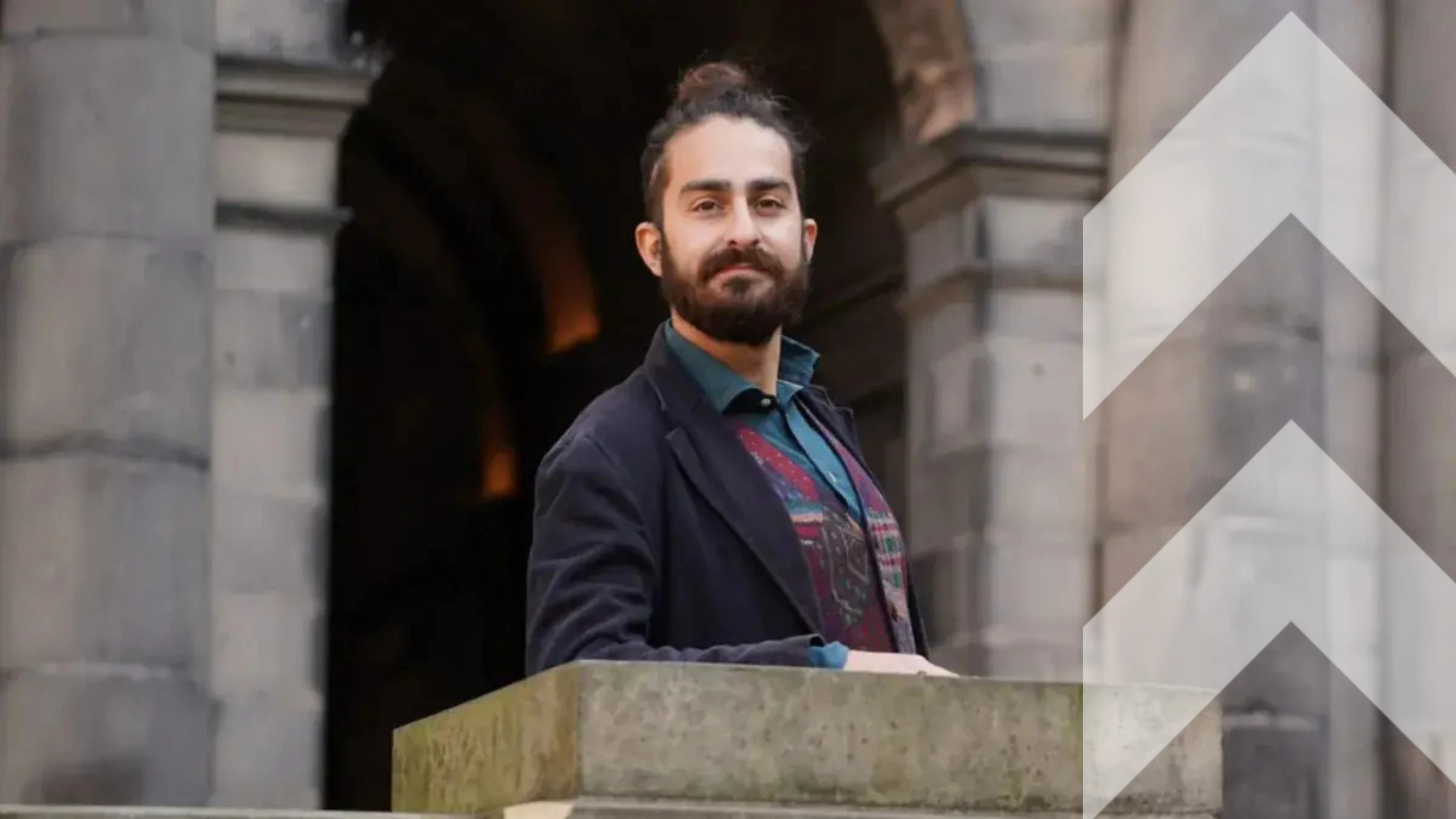
“In academia I was very used to the hard bits being the hard bits, doing a lot of thinking and creating something difficult. So, when we had developed the technology I thought, right, we have something good here, how difficult can it be to turn it into a business? I thought that was going to be the easy bit, but it wasn’t easy at all.”
That’s how Georgios Papageorgiou, founder of Mantis Geophysics, described his experience of spinning out from the University of Edinburgh. Not long after that, they were accepted onto the AI Accelerator.
Understanding hard things is Georgios’ thing. The company he founded, Mantis Geophysics, uses rock physics modelling and advanced data simulations to establish how seismic waves behave as they pass through rock layers. Their software allows clients to avoid costly physical surveys, replacing them with simulations that provide key insights into seismic activity beneath the earth's surface. The technology isused in a variety of fields, including geothermal energy, carbon capture and storage and oil and gas exploration.
Despite their technological breakthrough, Georgios and his co-founders initially struggled with the challenges of starting a business.
“I was a physicist turned mathematician and then I just ended up taking what I thought would be a transitional job until I found a real one, but I’d been flirting with the idea of Mantis for a long time,” Georgios recalls. “We were confident about what we were doing, but we still weren’t 100% convinced that we had a winning business idea. We do have a very strong conviction and work ethict hough and you need that.”
Even so, joining the AI Accelerator was a pivotal moment. "We had some investment and a pilot customer and an idea of what we really wanted to do, but we didn’t have the space to develop it. We wanted to know if this is something worth pursuing.The AIA just gave us the space and support to develop our ideas further,” Georgios says.
One of the key benefits of the programme, Georgios says, was the exposure to other entrepreneurs and like-minded founders.
“This was a particularly useful bit of the accelerator. We were all facing similar problems, and just talking through those problems with others was incredibly helpful. Everyone had their own edge, and when you put all these people in a room frequently, it has a net positive effect. The exposure we gained in the startup community and the business ecosystem was also very important.”
Georgios went on to praise the extra support on customer experience and website development from the AI Accelerator programme, which has made a big difference.
Overall, the accelerator helped Mantis refine its business model and expand the team.
“We wouldn’t have been able to employ an intern for a risky project if it hadn’t been forthe accelerator,” Georgios explains. “The AI Accelerator facilitated and funded a PhD student to do a month’s work for us. Foteini Dervisi was finishing the write up of her PhD in School of Geosciences and British Geological Survey and she had just the right skill set. She came in and found ways around challenges we didn’t even think about. It was a huge resource for us."
Reflecting on his personal growth as a founder, Georgios admits that the experience has helped him simplify complex ideas.
“I do think I have a better way to simplify commercial ideas than I did at the start of the programme,” he shares. “There were moments when things felt chaotic, but thanks to all the guidance from the accelerator team, everything just became clearer.”
Looking to the future, Georgios is focused on Mantis' role in the energy transition. “Our technology is facilitating progress in energy storage and carbon capture, which are critical for reducing emissions,” he says. “The impact is not small, and it’s not the whole story either, but it’s a significant part of what needs to be done for the energy transition.”
“Success for me in a few years would be that our technology becomes indispensable in the energy sector,” he says. “If we can help companies make safer, more efficient and environmentally responsible decisions, that will be a huge win for us.”


.webp)
.webp)
.webp)

.jpg)
.png)
.webp)


.webp)






.webp)
.webp)


%2520and%2520UofE%2520Business%2520School.webp)

%2520and%2520the%2520Usher%2520Institute%2520(1).webp)
Bayes Centre, 47 Potterrow, Edinburgh, EH8 9BT