How a VBI-supported pivot transformed an academic idea into a nationally backed initiative applying AI to NHS and biobank cancer data.

Venture Builder Incubator
COHORT 3 (2023)

Venture Builder Incubator empowers aspiring founders from Scotland’s universities to start or grow their tech business. Bridging the gap between research and entrepreneurship, Venture Builder Incubator gives you the tools, skills, and support to transform your deep tech or data-driven idea into a thriving startup. Through our ongoing partnership with Cancer Research Horizons, the Venture Builder Incubator provides tailored support to research staff and academics across the UK developing oncology-related data-driven innovations.
Entering the VBI programme as Morph.ai, the team — sponsored by Cancer Research Horizons — was initially focused on developing AI tools for cancer diagnostics and computational pathology. But through VBI's structured workshops, mentoring, and constructive feedback from experts and peers, a much larger opportunity came into focus.
The real market gap wasn't just in building AI models — it was in enabling others to do so.
This insight shaped the foundation for PharosAI, a platform designed to provide access to high-quality, multimodal cancer data and AI models.
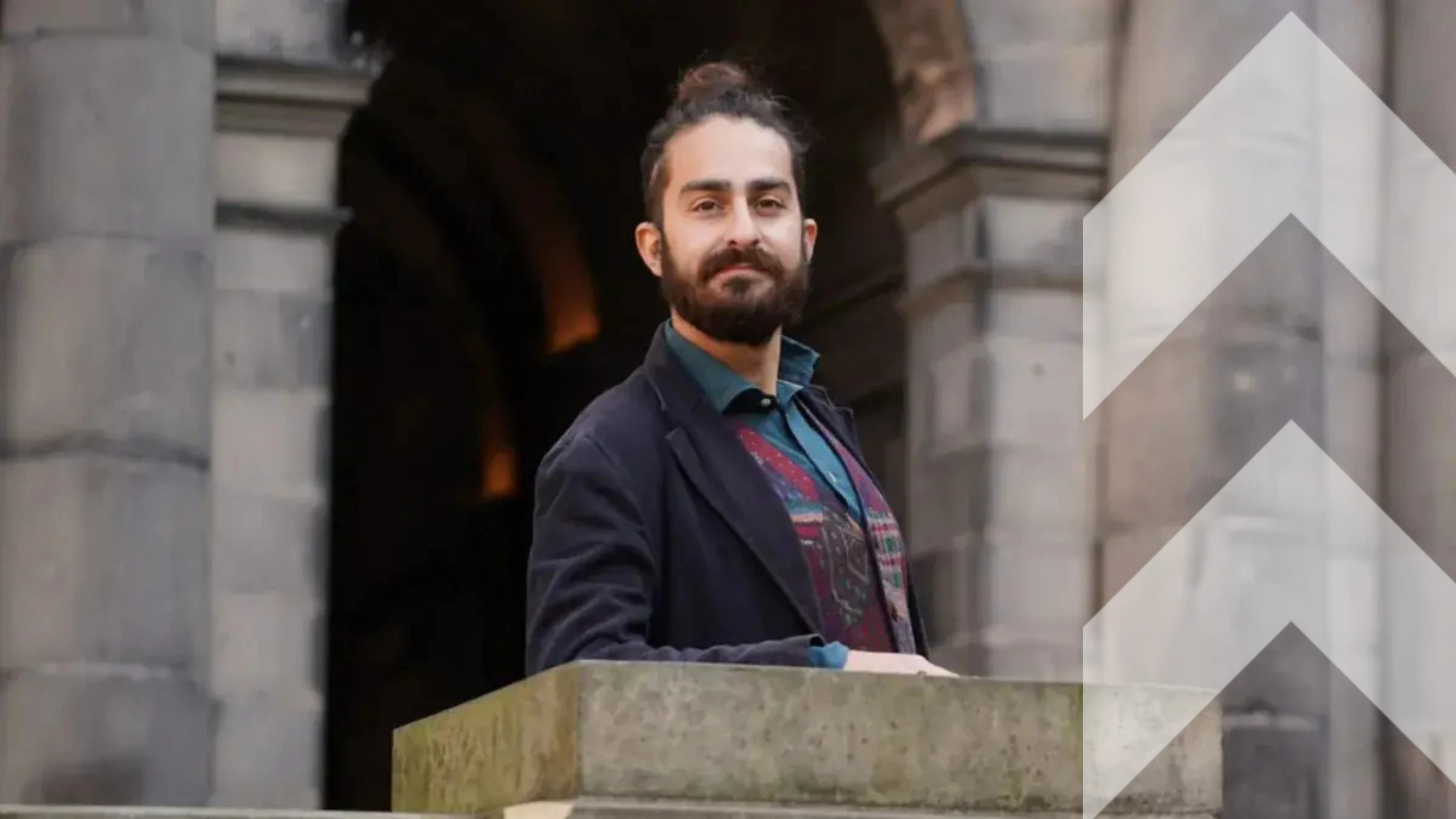
"The programme helped us interrogate our assumptions, speak to real users, and deeply understand the market. That process directly influenced our decision to build a platform instead of standalone models." — Gregory Verghese
One of the most valuable aspects of the programme was its emphasis on product-market fit. Through user interviews and hands-on support, the team was able to deeply understand the needs of pharma, biotech, and clinical AI developers, having a direct impact on their platform strategy.
VBI gave the team the early tools to communicate their shift in direction with clarity and confidence. With guidance on refining their value proposition, sharpening their messaging, and building an investor-ready pitch deck, they were able to articulate the scale of the problem and the value of their solution — helping them secure early funding.
With support from commercial experts, technical advisors, and health tech specialists — including contributions from Cancer Research Horizons — the team was able to test ideas, receive feedback, and shape strategies across business modelling, regulatory planning, and product development.
"The mentoring on the programme was invaluable. We were able to test ideas with commercial experts, get critical feedback from technical advisors, and receive support on everything from business modelling to regulatory strategy." — Gregory Verghese
After completing VBI in October 2023, PharosAI applied to the UK Government's Research Venture Catalyst, a pilot programme designed to stimulate the creation of novel research ventures. They were one of 12 projects awarded £100,000 in seedcorn funding.
In February 2025, PharosAI was one of the final three projects to secure funding in stage 2 of the Research Venture Catalyst, receiving £18.9 million from DSIT. This was matched by £24.7 million from industry, philanthropy, and third sector partners.
Today, PharosAI's ecosystem includes: NHS England, UK Biobank, Microsoft, Paige AI, DAWN (UK's national supercomputing resource), and the Royal College of Pathologists.
The company is built on collaboration between four founding institutions: King's College London, Queen Mary University of London, Guy's and St Thomas' NHS Foundation Trust, and Barts Health NHS Trust.
PharosAI is now entering its next phase of development, preparing for the launch of its MVP platform and beginning early user testing with strategic partners.
"VBI helped us evolve... and we're just getting started." — Gregory Verghese
"It's natural to feel daunted... but commercialising your research doesn't mean leaving academia behind — it means finding a new way to create impact with the work you've already done, and new routes to delivering leading-edge science."
Greg's biggest piece of advice: "Start before you feel ready."
Website: pharos.ai
About Venture Builder Incubator
Since its launch in 2021, the Venture Builder Incubator programme has supported over 130 founders and ventures, helping them secure more than £50 million in grants and investment.



.webp)
.webp)
.webp)

.jpg)
.webp)
.png)
.webp)



.webp)





.webp)
.webp)


%2520and%2520UofE%2520Business%2520School.webp)
%2520and%2520the%2520Usher%2520Institute%2520(1).webp)
Bayes Centre, 47 Potterrow, Edinburgh, EH8 9BT