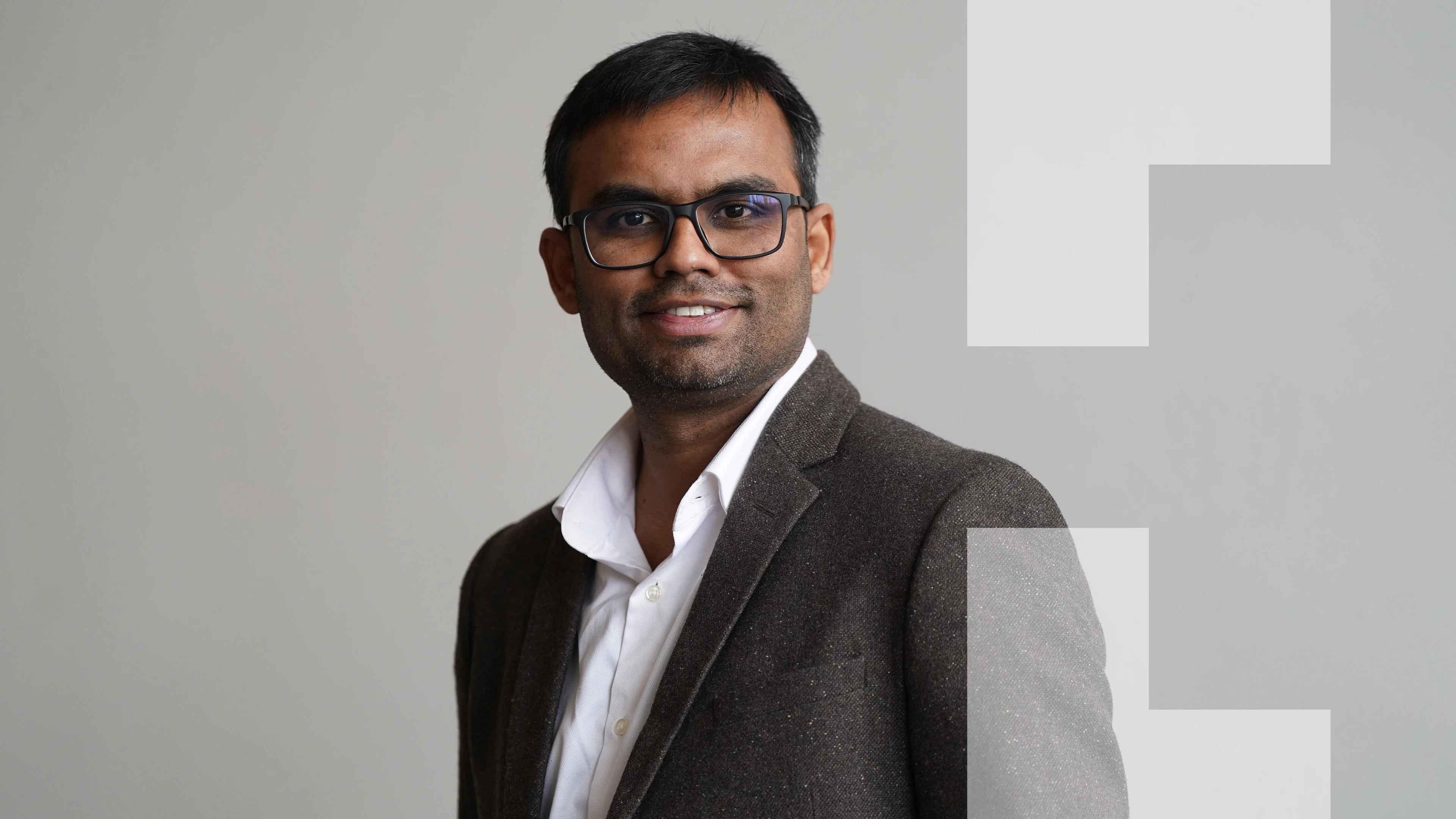
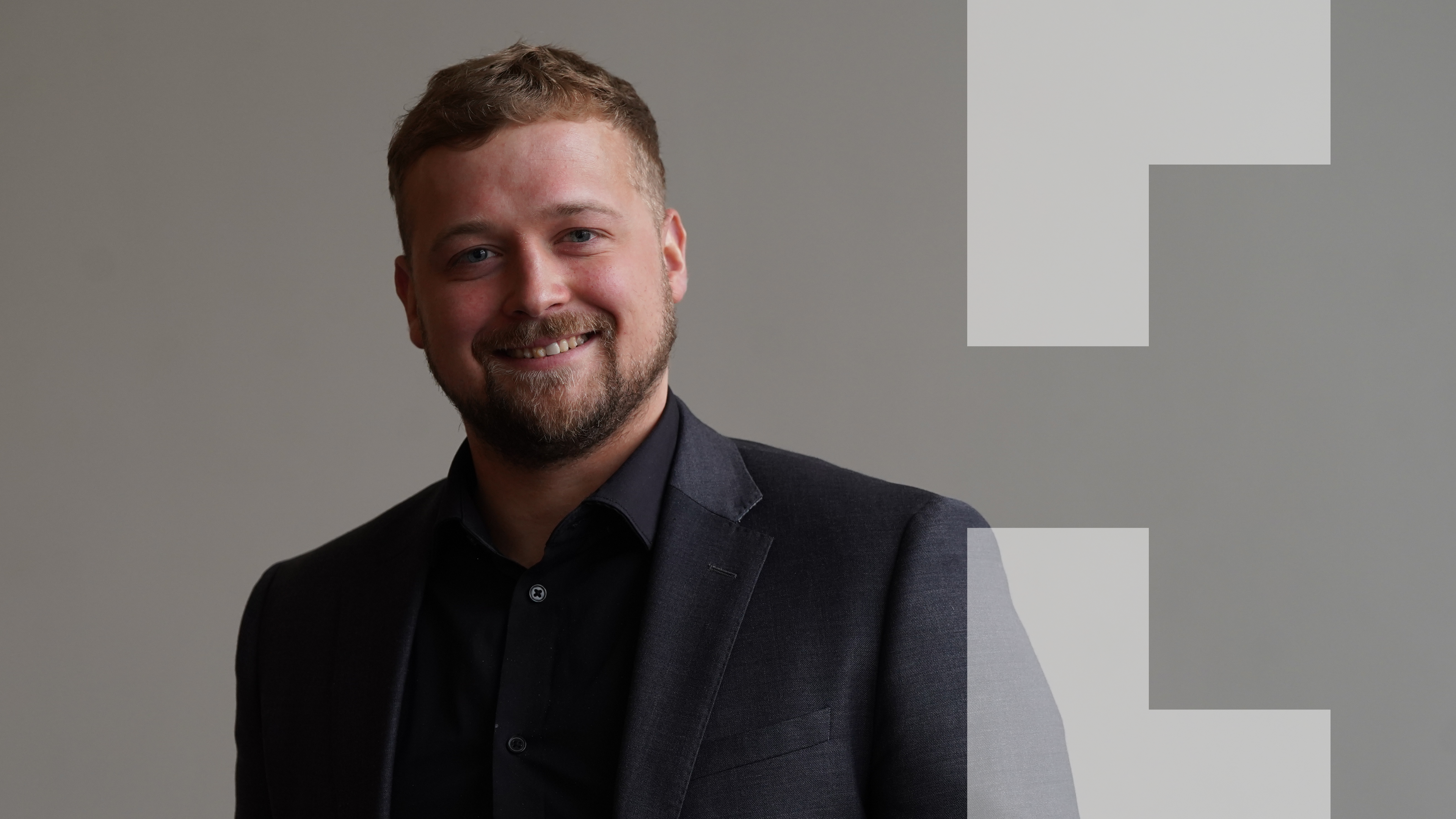
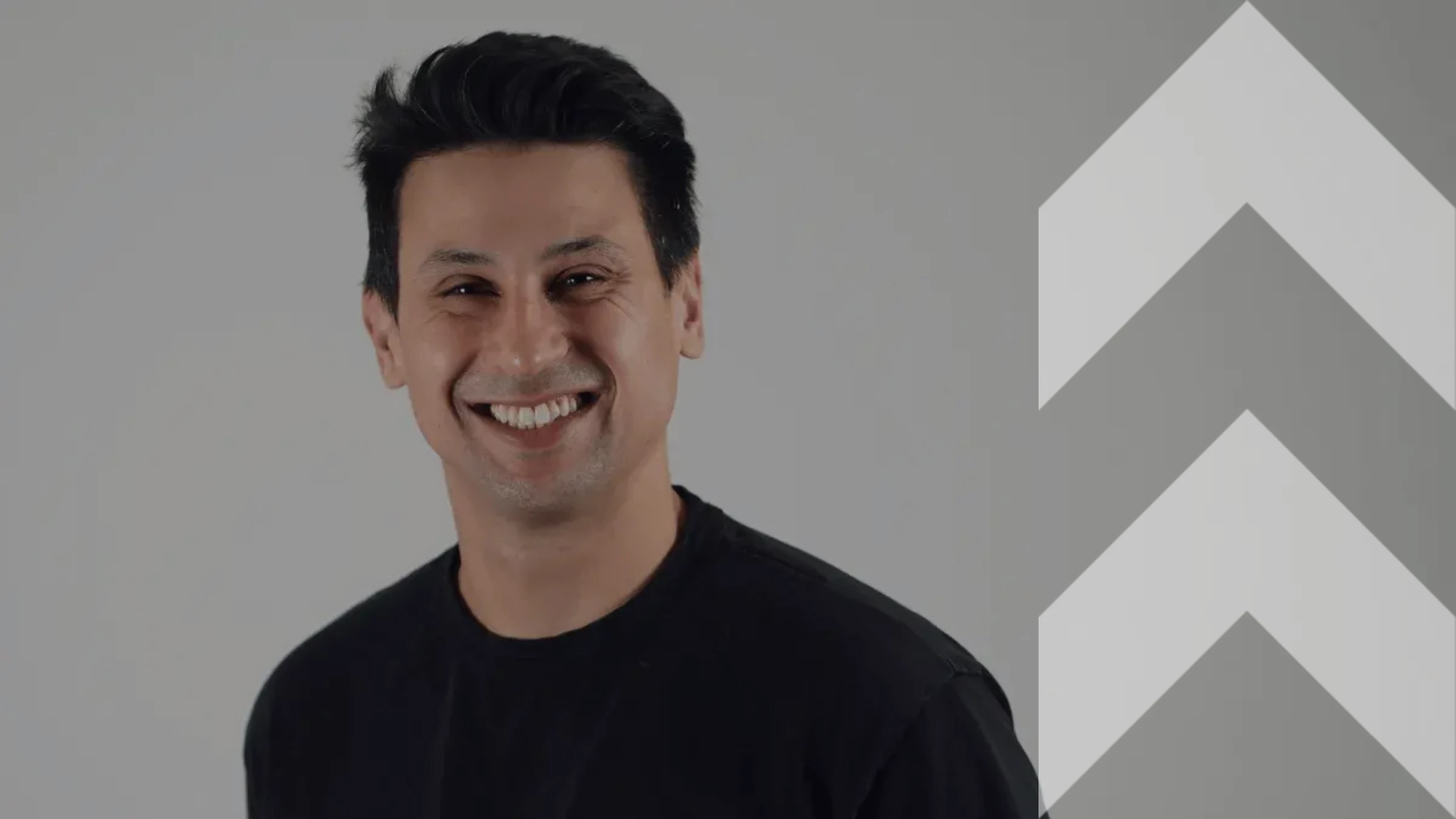
Vivek Singh's journey spans continents and disciplines, from India to Spain, Harvard, and London, where he leads AI imaging research at Bart’s Cancer Institute. His focus on early liver cancer detection led him to join the Venture Builder Incubator (VBI), which helped bridge the gap between his academic insights and commercial potential. The program provided vital mentoring and strategic guidance, enabling Vivek to refine his business model for Early On AI. Supported by Cancer Research Horizons, he aims to validate and expand his technology, ultimately addressing liver disease in diverse populations, including in India.

Venture Builder Incubator
6.0
Venture Builder Incubator empowers aspiring founders from Scotland’s universities to start or grow their tech business. Bridging the gap between research and entrepreneurship, Venture Builder Incubator gives you the tools, skills, and support to transform your deep tech or data-driven idea into a thriving startup. Through our ongoing partnership with Cancer Research Horizons, the Venture Builder Incubator provides tailored support to research staff and academics across the UK developing oncology-related data-driven innovations.
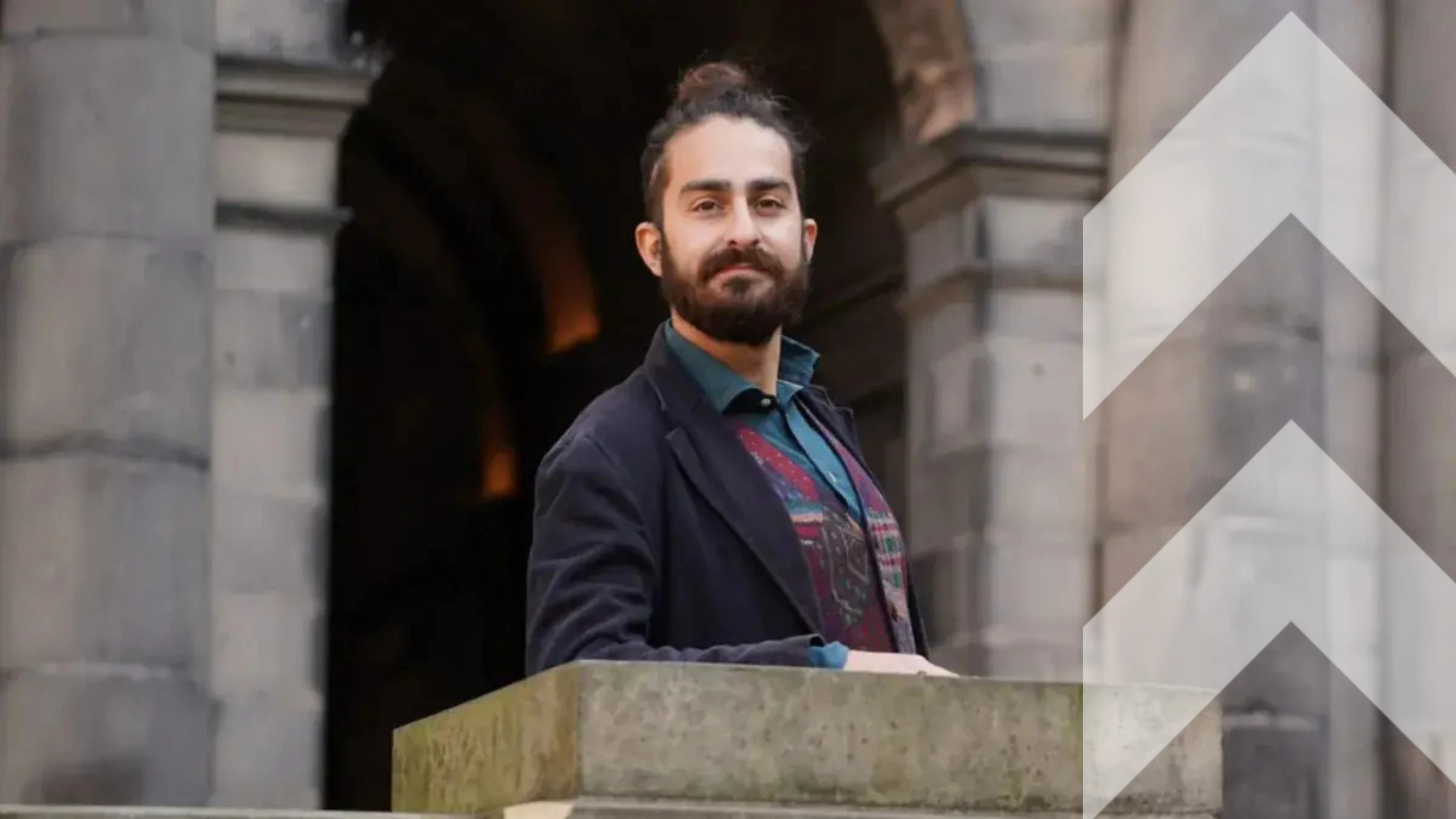
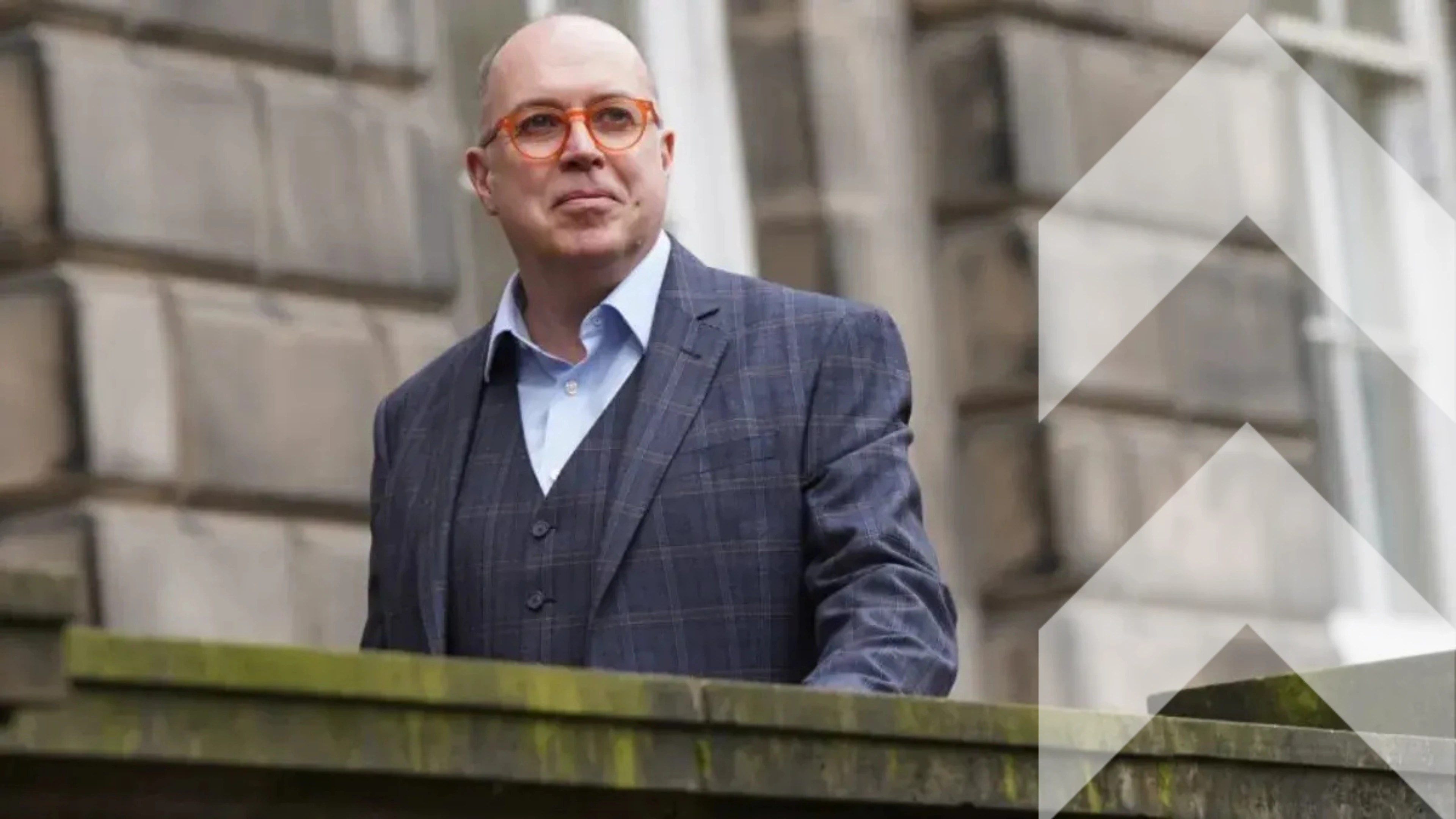
Vivek Singh is a man on a journey, both professionally and literally.
From an upbringing and education in India, he went on to study for his PhD in Spain before taking up a role at Harvard Medical School. He now works as a group leader in artificial intelligence imaging at Bart’s Cancer Institute in London.
Vivek’s journey to VBI, however, was guided more by need than ambition.
Through his research at Harvard, he developed a fascination with the liver and the scale of the clinical challenge surrounding it.
After treatment, patients are typically monitored through follow-up scans every three to six months. However, in many cases, very small tumours can be missed. By the time they are visible on a later scan, the cancer may have returned at a more advanced stage and treatment options may be more limited. Vivek’s AI solution aims to detect small tumours earlier.
“If we detect tumours early then those patients are going to have more treatment options, they could live longer or even survive. That’s simply what we’re doing here.”
What Vivek did not find simple, however, was translating his vision into a viable business. He applied to join the Venture Builder Incubator (VBI) and found a programme that helped him think differently about the next stage of his journey.
“Solving the problem is not enough. There’s the regulation, getting the right people on board, how to secure investment and so on. I had no answers at the time. I didn’t even know who I would be selling the technology to. VBI literally opened my eyes and showed me how I could take the business forward.”
The programme gave him access to expertise that helped bring the wider business landscape surrounding his idea into sharper focus. Alongside group sessions on areas such as regulatory requirements, funding opportunities and commercial strategy, VBI places a strong emphasis on tailored one-to-one mentoring. This ensures that each participant can explore their own challenges in depth and, for Vivek, that support proved especially valuable.
“The one-to-one sessions were transformative for me,” he said.
The mentoring he received around product-market fit, strategy and pitching was game changing, as was being challenged on questions he had not yet fully answered for himself.
That uncertainty around audience, positioning and route to market began to shift as the programme progressed, replaced by a clearer vision. The proposition behind Early On AI became more defined. This shift in perspective lies at the heart of what VBI is designed to achieve, supporting participants as they move from research-led thinking to a more commercial mindset.
For Vivek, it was not about changing the core clinical problem he was addressing. It was about understanding how to frame it, how to navigate the commercial environment around it and how to think like a founder. Sitting within academia, he explained, it is easy to become consumed by research papers, grant writing and administration. VBI created space to focus on everything else that innovation requires.
Of real significance to him was the support provided to VBI by Cancer Research Horizons, which provides tailored support to founders translating cutting-edge cancer research into tangible patient impact.
Vivek’s evolution also became personal. Through conversations with mentors, Vivek found himself thinking more seriously about the role he wanted to play in the future of the product and what path might lie ahead, whether that meant licensing, spinning out a company or building something larger.
Asked what he would say to someone considering applying to the programme, he presents himself as a clear advocate.
“I can tell people about the sessions and share my positive experiences. Anything I can do to promote VBI, I would love to do.”
So, what steps will Vivek take next on his globetrotting journey?
He is currently focused on validation, further funding and prospective trials, with the NHS a clear priority. In time, however, he plans to tackle liver disease back home.
“Liver disease is very common in India, so perhaps I can give something back there. It would also allow us to test our model and see how it performs in different populations.”
As part of a growing community of founders emerging from the VBI programme, Vivek’s journey highlights the potential of combining academic vision with commercial acumen.
For now, his is a story of research in motion, but clinically driven, technically ambitious and grounded in very human goals, he has the world firmly at his feet.
Website: Vivek Singh



.webp)
.webp)
.webp)
.jpg)
.webp)
.png)
.webp)
.webp)

.webp)
.webp)
%2520and%2520UofE%2520Business%2520School.webp)
%2520and%2520the%2520Usher%2520Institute%2520(1).webp)
.webp)
Bayes Centre, 47 Potterrow, Edinburgh, EH8 9BT